

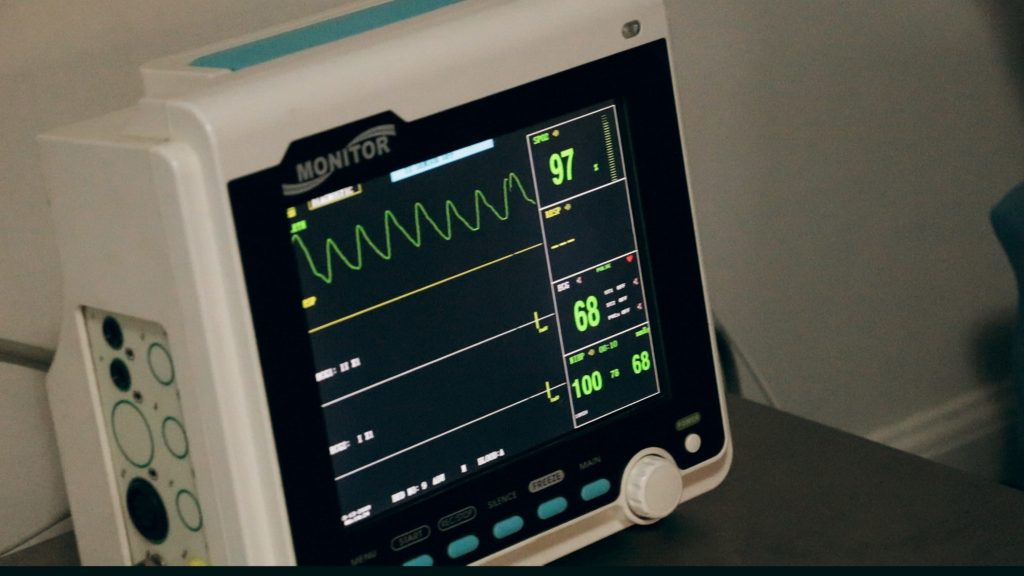
Working with people who have critical medical conditions is a job that takes a significant amount of skill and attention to detail. In Florida, where the population is aging as the baby boomer generation gets older, it is even more important for hospitals to be staffed with highly skilled professionals who can provide constant monitoring of cardiac care. Telemetry technicians do that.
The telemetry technician salary in Florida is competitive, though it depends on experience. Typically, these individuals earn up to $49,000 per year. Many factors play a role in the salary that a person working as a telemetry technician will be paid.
How Much Does a Telemetry Technician Earn in Florida?
The salary of a telemetry technician in Florida is about $20.49 per hour though some earn as much as $25.65 per hour, according to Indeed. Earnings may be higher in areas where there is more demand, as well as in emergency departments.
Earnings for a telemetry technician in Florida will range widely based on factors such as:
- The employer’s demand within their community
- The amount of experience the technician has
- Any additional skills the technician has
- The hours worked (with longer shifts and overnights being common due to the 24-hour nature of the job)
- The type of environment worked in, such as in a hospital, emergency room, or ICU setting or in a cardiac provider’s office
Most so, there is a significant amount of demand for these individuals. As a result, some hospitals and other medical health centers are paying more to those who are available to fill vacancies quickly.
What Type of Work is Typically Required of a Telemetry Technician in Florida?
Telemetry technicians, who are also sometimes called EKG technicians, are professionals who study, monitor, and act on changes in heart rhythms, which is seen as a critical component of health and life. These professionals work in positions where they spend most of their time monitoring heart activity, which is done through electrodes placed on a patient’s chest. The technician’s job typically entails measuring electrical patterns the heart creates to stimulate heartbeats.
The job of these professionals is to look for signs of arrhythmias, which are types of heart rhythm abnormalities. When these abnormalities first occur, and over time, they may put a person in a state of immediate emergent medical need.
The job of the telemetry technician is to monitor for such changes, interpret the cardiac data, called waveforms, and then report any necessary insights to nurses and doctors, sometimes for critical, immediate care.
The Monetary Benefits of Obtaining a Telemetry Technician Certification in Florida
With the typical telemetry technician salary, Florida professionals can expect a range from $23,000 per hour up to $53,100 for the top earners in this field, according to some expert data. That is a significant range. Florida technicians can expect to earn a competitive rate within this range, with an average technician earning about $32,000 per year up to $49,000 per year for more advanced skills.
In addition to earning a salary for their work, most telemetry technicians will receive additional benefits. This may include:
- Health insurance
- Dental and vision insurance
- Disability insurance
- Retirement benefits
- Paid vacation time
- Sick time
- Bonuses
Each employer sets the standard for what they will provide to employees based on numerous factors, including their education, experience, and the type of hours they work. Those who work nights and weekends tend to earn more. Those who work in emergency rooms and ICUs may earn more than those who work in rehabilitation centers. The more in-demand positions are those that require more critical, close observation, which often occurs when a patient is critical.
The Additional Benefits of Working as a Telemetry Technician
Those who work as telemetry technicians are typically required to maintain monitoring at a central station, but they do interact with patients. Many will also perform EKGs and other heart-related testing. As such, many appreciate being able to help their patients to receive immediate care and consistently high care when they are in a critical state.
A telemetry technician’s job is also fairly stable, with demand likely to increase for some time. As a result, those who work in the field may also be able to count having a consistent job as a benefit to the work they do.
Most importantly, these individuals save lives, often working closely with patients who are facing life-and-death health crises. This can be a rewarding benefit.
How to Obtain Telemetry Technician Certification in Florida
Those who wish to work in this fast-paced and critical area of health care will need to obtain key skills to do so. Those skills often revolve around hands-on training and medical education. In-person and online programs are available to help prepare students to work in this field.
Students do not need to have any background in medicine or medical care to start in a telemetry course. They will need to complete all required educational components and courses that are a part of the Florida-state-approved course. Students will need to obtain their certification in telemetry in order to work in the field. That means that, after completing their education, they need to take the certification exam, such as the one offered by the National Telemetry Association (NTA).
Typically, students will also need to be:
- 18 years of age or older
- Pass a background check
- Complete the technical program
- Be of good moral character
- Take and pass the certification test for telemetry
- Be fingerprinted
Those who do this are eligible to work as telemetry technicians in the state of Florida. Employers will then make hiring decisions for open positions based on skill and other factors. Keep in mind that telemetry technician salary in Florida differs widely from one area of the state to the next and from one major hospital system to the next. There is competition in some areas, and that makes this a promising opportunity for many students who wish to work in cardiac care in the state.