

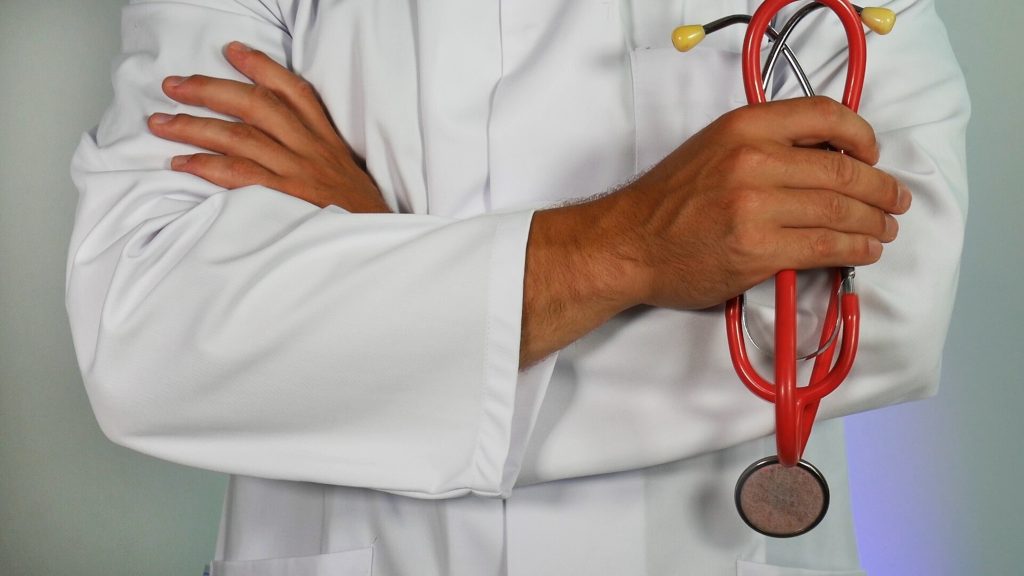
A telemetry technician is a trained professional that monitors the function and electrical activity of the heart muscle. These professionals typically work in the telemetry department of hospitals and medical centers, ICUs, and other facilities that provide consistent cardiac monitoring care to patients of all ages. Those who work as telemetry technicians, who are sometimes known as monitoring technicians, are in demand, creating a positive telemetry technician job outlook in Florida.
Telemetry Technician Certification in Florida
To work as a telemetry technician, individuals must receive a significant amount of training in both the human body and in medical terminology and device use. These individuals typically need to complete a certification course in Florida from a recognized provider.
A Florida-approved telemetry technician school or medical program will provide students with hands-on training and intensive education in the skills needed to do this job. These programs, whether in-person or online, typically require 60 to 100 hours of education. Students who complete the program need to pass the final certification testing to ensure their knowledge and skills meet the expectations of the employers they will soon work for.
Students who complete their education from a recognized elementary school in Florida will then be eligible to take the Certified EKG Technician Specialist exam, which is provided by the AECA, or complete the Certified EKG Technician Certification Exam through NHA. Once a person obtains the necessary skills and licensing, they will need to meet other requirements, including having a background check completed, before they can work within the state.
What Does a Telemetry Technician Learn to Receive Their Certification?
A telemetry technician’s daily tasks are numerous, and each one requires careful attention to detail. Some of the components of their education then, will focus on facilitating these skills. Telemetry technicians will learn the following:
- EKG Introduction
- EKG Interpretation
- EKG Application
- EKG Application Procedure
- Cardiac Anatomy and Physiology
- Communication and Healthcare Legal Matters
- Infection Control
- History of EKG
Key skills technicians will need to provide typically include:
- How to monitor ECG strips to detect arrhythmias
- Provide arrhythmia interpretation so that nurses and doctors can act on it quickly as needed
- Accurate understanding of cardiac rhythms and dysrhythmia, as well as interval measurements
- Identification of dysfunction
- Assessing patient signs to provide the best type of treatment
- Utilizing central and individual monitoring stations
- Maintaining telemetry equipment
Telemetry Technician Jobs in Florida
In Florida, telemetry technician jobs are readily available in most hospitals and emergency rooms, as well as in some residential care and rehabilitation centers, doctor’s offices, and other cardiac-focused medical facilities.
Florida is home to many major hospital systems, all of which rely on these professionals to be available around the clock within all cardiac and telemetry units. This includes Baptist Health Boca Raton, Mayo Clinic Florida, Weston Hospital, Tampa General Hospital, and AdventHealth Orlando, among most others.
In addition to working in in-patient care, telemetry technicians are also consistently in demand in emergency rooms and some of the larger urgent care centers. They are also needed in a variety of cardiac care centers, including those that provide hospice and end-of-life care to patients, some types of medical-focused nursing home facilities, and children’s hospitals and care centers. These jobs are consistently necessary as the careful monitoring of a person’s heartbeat is critical to protecting life.
Typical Tasks Telemetry Technicians Provide
The job of a telemetry technician will typically involve a range of services, including monitoring central monitor devices and assisting doctors and nurses with patients. Typical responsibilities are likely to include the following:
Day-to-day tasks:
- Cardiac monitoring of all assigned patients
- Utilizing the central monitoring station and software systems to provide ongoing monitoring of patient care
- Answer questions and spot dysfunction, which often includes observing and interpreting cardiac rhythms
- Document patient medical records and any information relevant to the case
- Prepare, maintain, and interpret telemetry waveform data
- Coordinate availability of telemetry transmitters and lead cables
- Maintain telemetry units and other supplies
Patient care may include:
- Performing electrocardiograms on patients, including placing electrodes and using equipment
- Implement cardiac orders as directed by doctors and requested by nurses
- Review cardiac monitoring orders with nurses
Patient record tasks include:
- Documenting EKG waveform incidents in patient medical records,
- Identify all rhythms, including A-fib, A-flutter, VT, NSR, SB, ST Asytole, and others
- Alert doctors and nurses to necessary medical data
Report changes in patients:
- Monitor patient data and waveforms for any instances of changes
- Respond to all monitor alarms and report those changes to the medical providers on call
- Contact physicians for urgent interventional needs
- Document all rate and rhythm changes for the patient
Note that many telemetry technicians work in busy areas with high-risk patients, which means their job may require emergency response abilities, including being able to quickly diagnose what is occurring so patients can receive immediate medical care. Some also work in areas where patients may not be cardiac-critical, but sudden changes in heart rate or rhythm may be necessary to detect quickly so that proper care can be provided when it does. The job is typically intense in some environments.
Telemetry Technician Job Outlook
The telemetry technician job outlook in Florida matches much of the United States, where there is an increasing number of professionals necessary to work in this field. As the population continues to age, with 20% of people reaching above the age of 65 by 2030, the need for highly qualified professionals to work in cardiac care will continue to grow in demand.
Some experts expect that the jobs for telemetry technicians in Florida will grow by 14% from 2018 to 2028 to continue to meet this need. This means that about 18,000 new jobs will be opening up in this field over the span of the next few years across the U.S. Many of them will be in the major Florida metro areas.
With a positive telemetry technician job outlook in Florida, individuals who wish to work in this competitive and in-demand field can obtain their telemetry technician certification to get the process started.